
DESIGN STRATEGY & SOLUTIONS
RAPID DEPLOY WEBSITES
Scalable & Adaptable Design Application
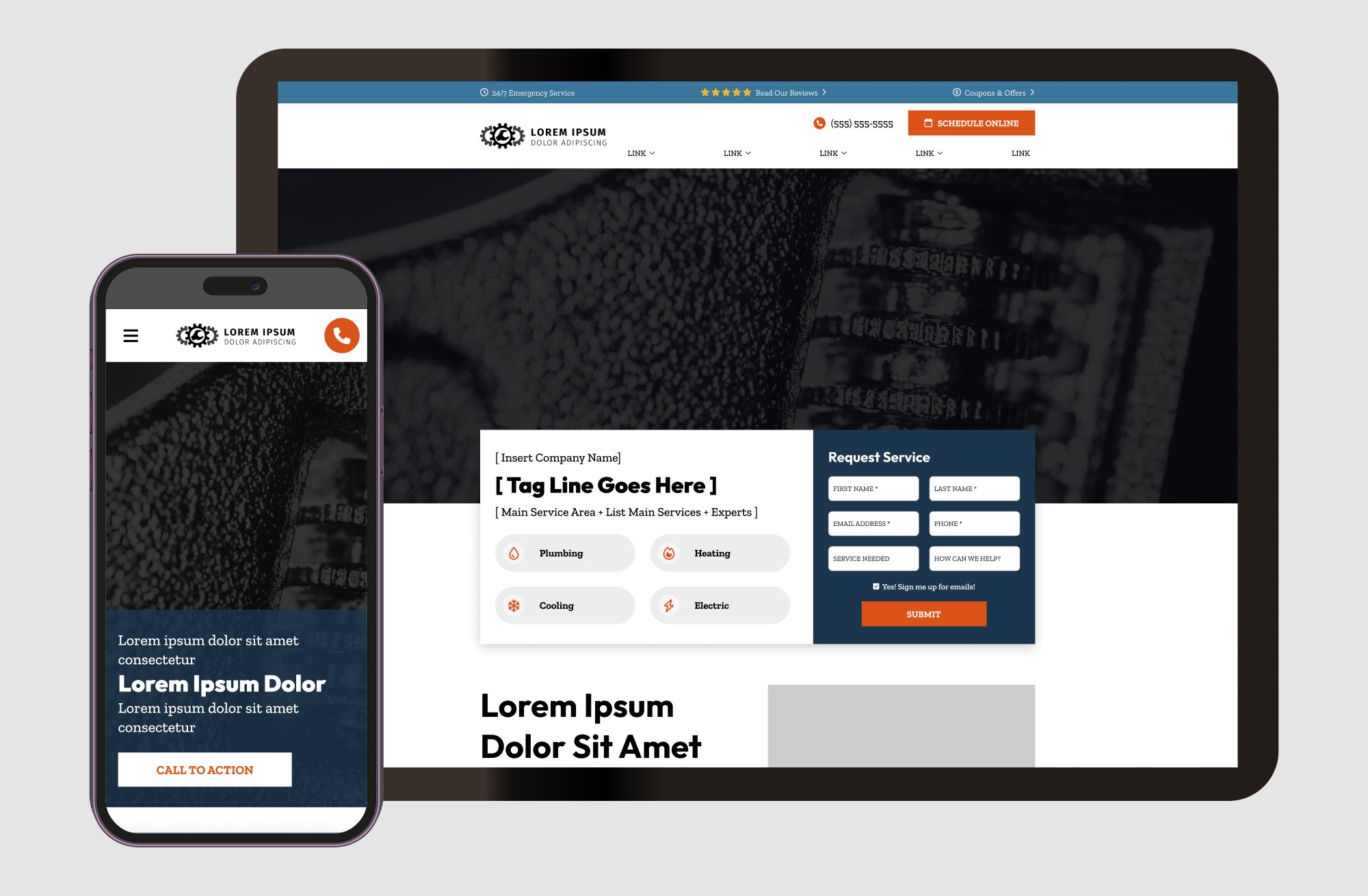
As a Senior Product Designer, I contributed to the evolution of a modular “Rapid Deployment System” designed to streamline website production across design and development workflows. The system utilized a component-based architecture with interchangeable variables, enabling design teams to rapidly configure sites according to each client’s brand guidelines, service offerings, and conversion objectives. By standardizing proven design patterns and linking them to measurable performance goals, this framework significantly reduced design-to-deployment time compared to traditional website builds, while maintaining flexibility for customization from a shared base architecture.
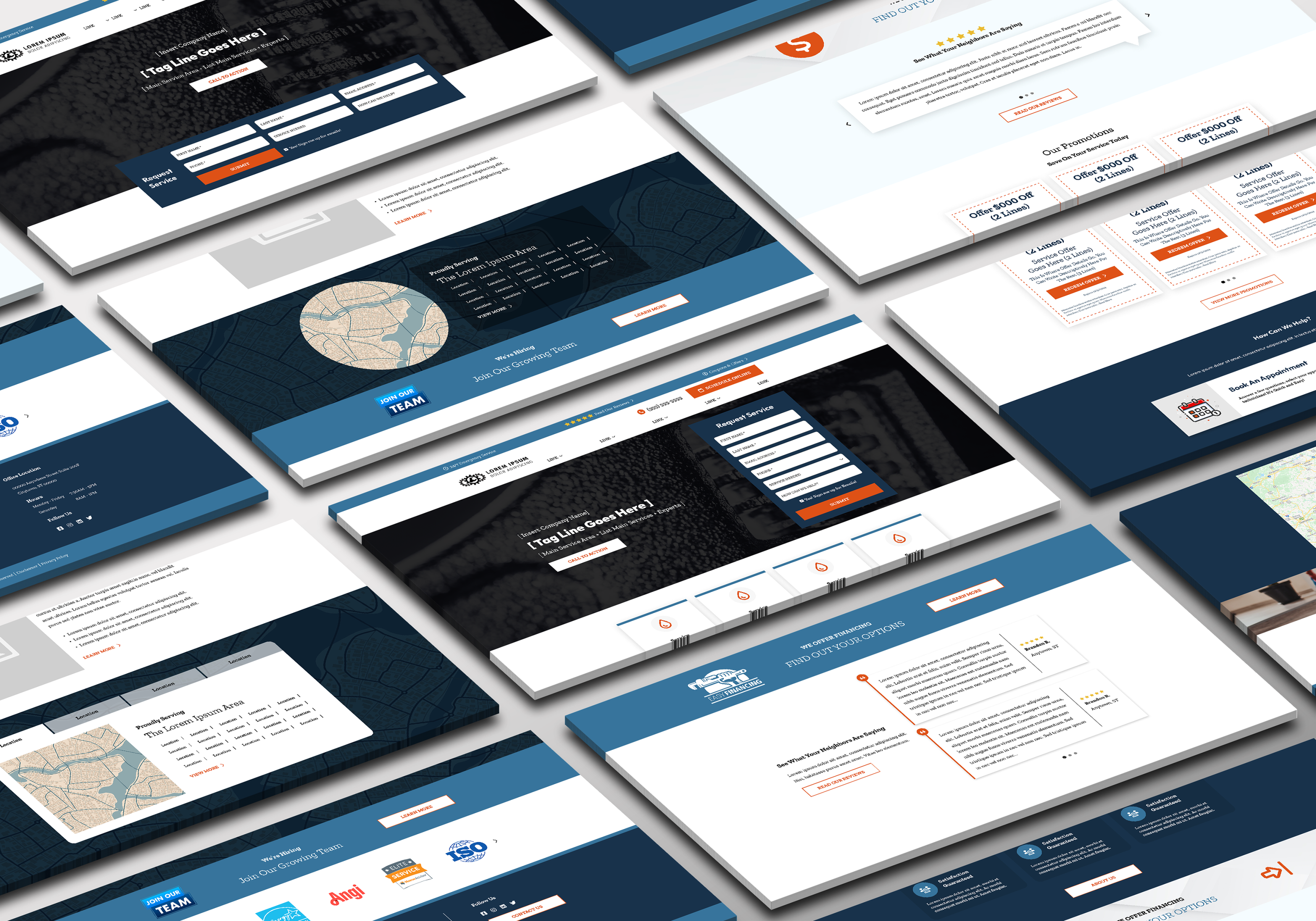
This framework establishes an application architecture capable of producing near-infinite design variations through parameterized and scalable components. It delivers flexible, data-driven solutions that align creative and technical objectives while maintaining controlled project boundaries and mitigating scope creep. By integrating design systems, development workflows, and strategic content models into a unified process, the platform consistently drives measurable business outcomes—enhancing search visibility, optimizing conversion performance, and supporting scalable growth strategies for clients.
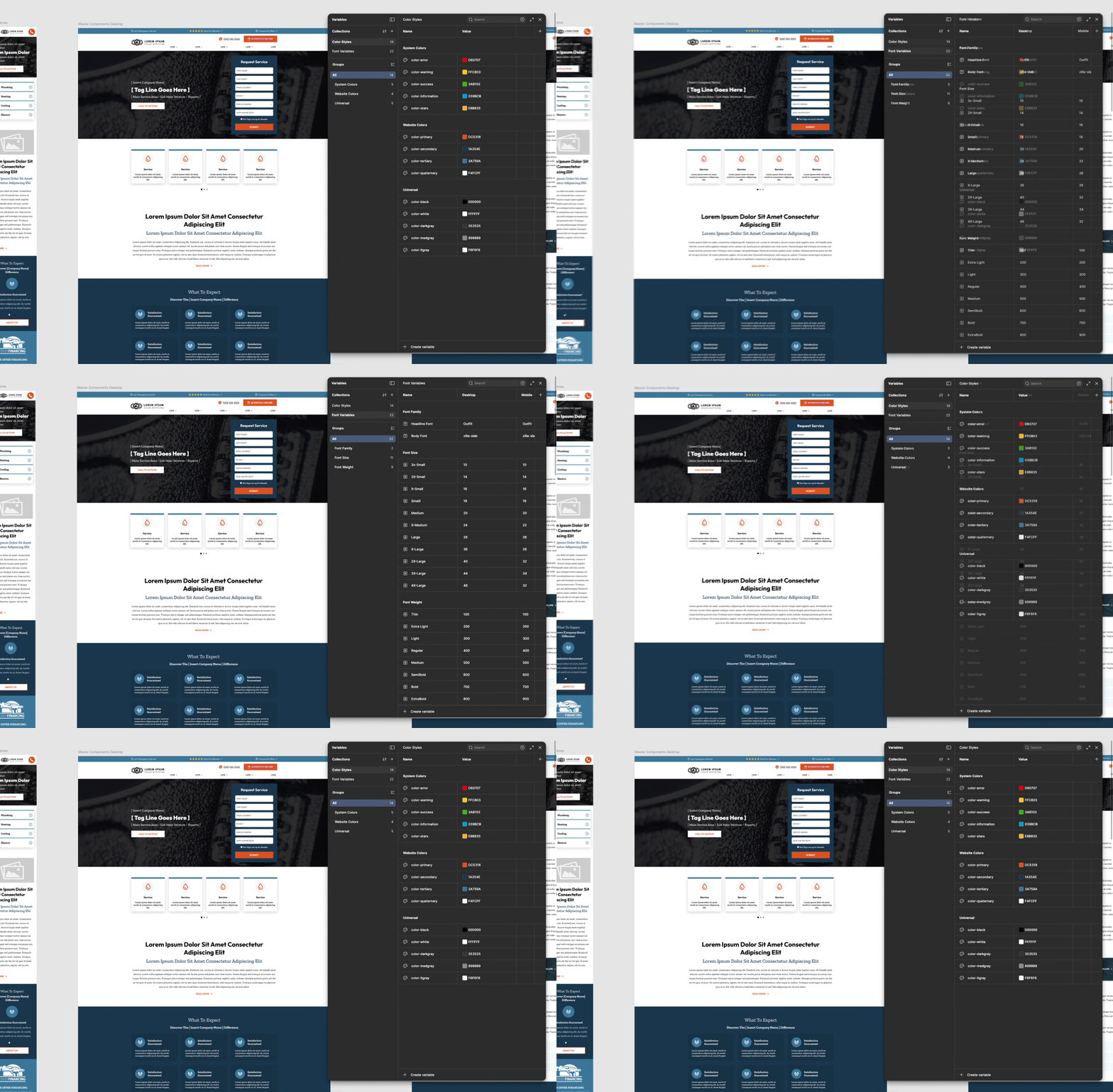
Another technique implemented to enhance cohesion and efficiency across the design-to-development workflow was the use of variable tokens to systematize color and typography mapping. This token-based approach centralized design decisions, reducing redundancy and ensuring consistency across all site components. Designers could simply reference predefined font and color tokens associated with each brand or client, eliminating manual configuration. Additionally, the integration of these tokens with development environments allowed design prototypes to directly sync with production code, significantly accelerating deployment and minimizing translation errors between design and engineering teams.
From a maintenance and scalability standpoint, the system architecture was built to support continuous iteration, version control, and seamless deployment pipelines. The product team could revisit previous design implementations to refactor or enhance components without disrupting live environments, leveraging branching strategies and automated testing for safe rollouts. New modules were integrated into the shared component library, making them immediately available across projects through CI/CD workflows. This DevOps-enabled approach allowed the framework to evolve dynamically, ensuring that client, designer, and strategist feedback could be efficiently translated into updates deployed at scale with minimal downtime.